About Mortgage Friend, LLCA MORTGAGE BROKER MEANS LENDERS COMPETE FOR YOU
Because a Mortgage Should Fit the Borrower — Not the Other Way Around.WHY MORTGAGE FRIEND?
MortgageFriend, LLC is a Las Vegas mortgage broker built around a simple idea: the mortgage should fit the borrower, not the other way around. We work with multiple wholesale lenders so borrowers can compare realistic loan options, pricing structures, documentation requirements, and underwriting paths instead of beginning and ending with one institution.
Our roots are in VA lending, but the experience behind MortgageFriend extends across VA, FHA, conventional, refinance, home-equity, and alternative income documentation loans. The goal is not to push a program. It is to understand the file, explain the tradeoffs, and help the borrower make a better-informed decision.
A bank generally offers its own mortgage products, pricing, underwriting overlays, and lending criteria. That may work perfectly well for one borrower and not for another. A Veteran using a VA loan benefit may need one strategy. A first-time buyer may need another. A self-employed borrower may qualify more effectively through a different documentation method. A homeowner with a low first-mortgage rate may be better served by a home-equity option than by replacing the entire loan.
Sometimes the right answer is to move forward. Sometimes it is to wait. Sometimes it is to leave an existing mortgage alone.
Just because a lender has a loan to offer doesn’t guarantee that it’s the right financial fit for the borrower.
EXPERIENCED MORTGAGE LOAN ORIGINATORS
(Your Mortgage Friends)

Founder and CEO
NMLS#: 20750
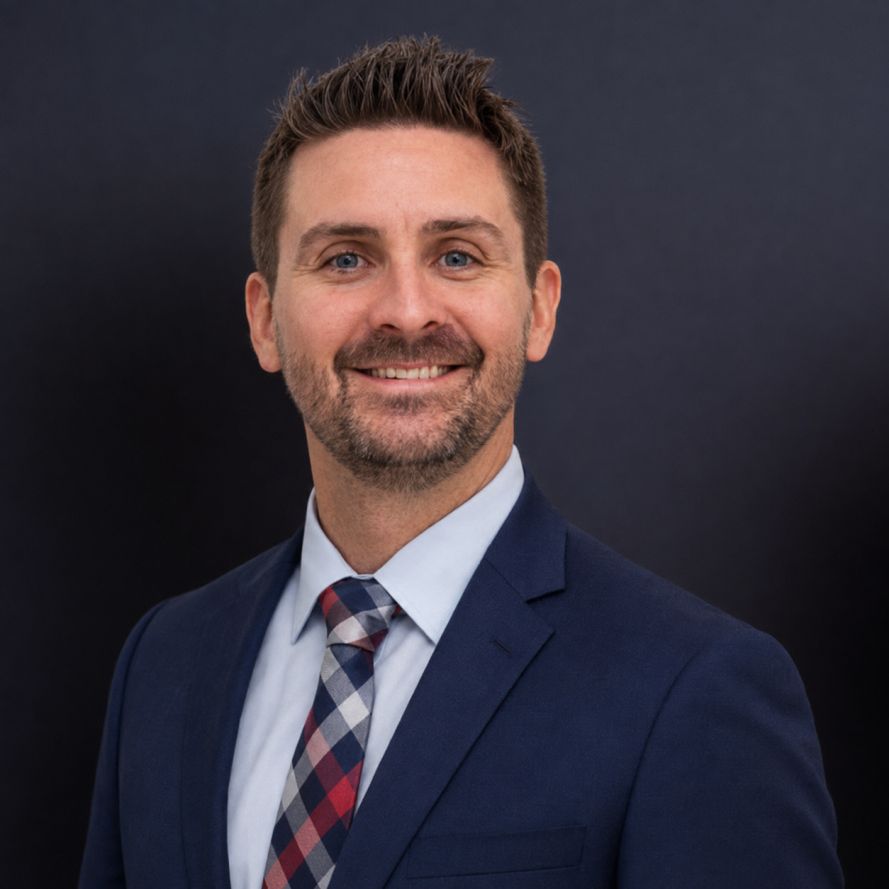
Licensed Loan Originator
NMLS#: 1526786

Licensed Loan Originator
NMLS#: 380907

Licensed Loan Originator
NMLS#: 1572067
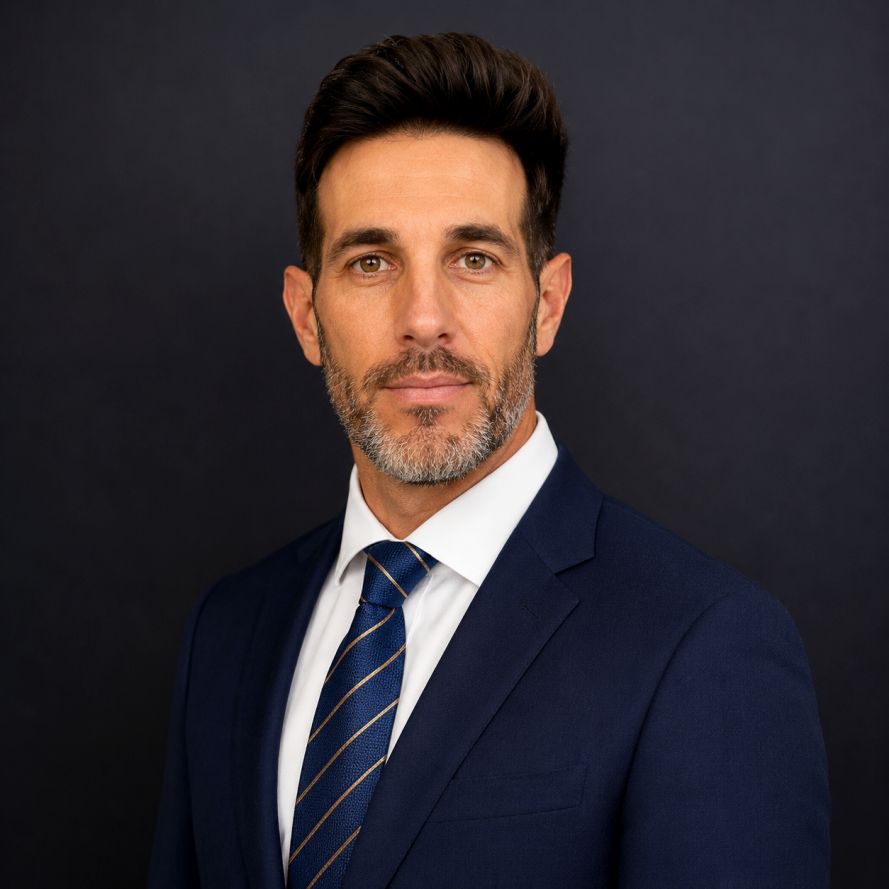
Licensed Loan Originator
NMLS#: 2233399

Licensed Loan Originator
NMLS#: 162502

Licensed Loan Originator
NMLS#:

Licensed Loan Originator
NMLS#:
The people managing the loan matter. MortgageFriend’s licensed mortgage professionals work with VA, FHA, conventional, refinance, and alternative income documentation loans across the states where the company is licensed.
Our team reviews the file, communicates with the lender, helps respond to underwriting conditions, and keeps borrowers informed as the mortgage moves toward closing.
Technology helps us track milestones and organize documentation. Experience helps us know what to look for before a small issue becomes a larger one.
One Mortgage. Two Very Different Ways to Shop for It.MORTGAGE BROKERAGE VS. BANK
A bank can be a perfectly reasonable place to get a mortgage. The difference is that a bank usually represents one institution. MortgageFriend represents the search.
One Institution. One Product Shelf.THE BANK MODEL
Options
The mortgage choices come from that bank’s own loan programs which are designed mostly to benefit the bank… not you.
Pricing
Rates, lender credits, and fees come from that institution’s pricing model.
Underwriting
The borrower must fit that bank’s credit box, overlays, documentation standards, and property rules.
When the File Is Difficult
If the scenario falls outside the bank’s parameters, the number of available paths may shrink quickly.
Business Model
Mortgages are one part of a larger financial-services business that may also include deposits, credit cards, investments, insurance, and other products.
Multiple Lenders. More Ways to Compare.THE MORTGAGE FRIEND MODEL
Options
MortgageFriend can compare available programs through multiple wholesale mortgage lenders.
Pricing
Available rates, credits, fees, and structures can be reviewed across different lending sources.
Underwriting
Different lenders may treat credit, income, documentation, debt ratios, property type, and overlays differently.
When the File Is Difficult
A loan that does not fit one lender may still have another viable path when the borrower and transaction support it.
Business Model
Mortgage origination is the business. The focus is structuring, originating, and closing home loans.
The Difference Is in the Search.MORE LENDERS MEANS MORE CHANCES
TO FIND THE RIGHT LOAN FOR YOUR NEEDS
That distinction becomes more valuable when the loan is not simple. After decades of working with VA, FHA, conventional, refinance, home-equity, and more complex borrower scenarios, MortgageFriend’s team understands where lender guidelines can differ, where legitimate flexibility may exist, and which issues should be addressed before they become underwriting problems.
Our Client Service Is What Borrowers Remember After the Loan ClosesSEE WHAT OUR CLIENTS ARE SAYING ON GOOGLE


The Name Changed. The Service Mission Did Not.FROM LOW VA RATES TO MORTGAGE FRIEND
MortgageFriend’s roots are closely tied to Low VA Rates, where members of the team spent years helping Veterans and military families understand and use their VA home-loan benefits.
That history shaped the company in an important way.
VA lending teaches you very quickly that a mortgage is not just a financial product. It can affect where a family lives, how much cash they keep available, whether monthly obligations become easier to manage, and how confidently they can plan what comes next.
MortgageFriend carries that service-first approach into a broader mortgage brokerage. Veterans remain an important part of who we serve, but the same standard applies to every borrower: listen first, explain clearly, compare carefully, and recommend a mortgage only when it appears to create a real benefit.
Honest. Fair. Helpful. Available. Those are not complicated values, but they are difficult to fake over the life of a mortgage transaction.
The Easy Loan Usually Looks Easy. Experience Shows Up When It Does Not.EXPERIENCE MATTERS MOST WHEN THE LOAN IS NOT SIMPLE
Mortgage approval involves far more than an application and a credit score. Income, assets, debt-to-income ratios, appraisal results, title, property eligibility, reserves, mortgage insurance, lender overlays, and underwriting conditions can all change the path.
THE NUMBERS HAVE TO TELL THE RIGHT STORY.INCOME & DOCUMENTATION
A salaried borrower, business owner, commissioned employee, retiree, and real-estate investor may all require different documentation. The quality of the analysis often matters as much as the document itself.
ONE LENDER'S OVERLAY IS NOT THE WHOLE MARKET.CREDIT & UNDERWRITING
Credit profiles are more than a score. Debt ratios, recent events, reserves, tradelines, and lender-specific overlays can change the outcome even when the underlying loan program appears to fit.
THE COLLATERAL CAN CHANGE THE LOAN.PROPERTY & APPRAISAL
Value, property type, condition, occupancy, title, insurance, and appraisal issues can affect loan-to-value, pricing, cash to close, or eligibility. Property questions deserve attention before they become closing problems.
After thousands of closings, experience is not about memorizing every possible rule. It is about recognizing where a file may break, knowing which questions to ask early, and understanding when another lender or another structure deserves consideration.
Preparation turns surprises into decisions.
The Interest Rate Is Only One Line in the Cost of a Mortgage.WE LOOK AT THE WHOLE LOAN
Rate matters. So do discount points, lender credits, mortgage insurance, title and settlement charges, appraisal expense, prepaid items, escrow requirements, cash to close, loan term, and how long the borrower expects to keep the mortgage.
A lower rate can come with higher upfront cost. A lender credit can reduce cash required at closing while changing the rate. A refinance can reduce the required payment but extend repayment. Replacing a low-rate first mortgage can solve one problem while creating another.
Where available, MortgageFriend also looks for practical ways to reduce transaction costs through wholesale lender pricing, available lender credits, title and settlement options, appraisal-cost programs, remote closing solutions, and other efficiencies that may vary by lender, state, and loan program.
The borrower pays the whole mortgage, not the headline rate.
Three Things Shape Nearly Every Mortgage We Originate.ACCESS. EXPERIENCE. JUDGMENT.
Our Promise to BorrowersTHE RIGHT MORTGAGE SHOULD HELP YOU MOVE FORWARD
We want borrowers to understand what they are doing, why they are doing it, what it costs, and what the mortgage is expected to accomplish. If a transaction appears to create a meaningful benefit, we help structure it and move it toward closing. If it does not, the borrower deserves to hear that too.
WHAT YOU CAN EXPECT
Clear explanations without unnecessary mortgage jargon
More than one lending path when the market offers one
Attention to payment, cash to close, costs, and long-term impact
Careful preparation for underwriting
Steady communication from application through closing
WHAT YOU SHOULD NOT EXPECT
Pressure to close a loan simply because it is available
A promise that one loan program is right for everyone
Rate-shopping without considering the rest of the transaction
Silence when a file becomes complicated
A recommendation that ignores what happens after closing

Follow us:
LINKS
Equal Housing Opportunity
Mortgage Friend, LLC supports and is in compliance with all Equal Housing Opportunity laws.
Mortgage Friend, LLC is a licensed mortgage brokerage specializing in originating residential mortgage loans.
Copyright © Mortgage Friend, LLC 2026
Copyright © 2026 VA Mortgage Friend – All Rights Reserved.
© 2026 Mortgage Friend, LLC™. All Rights Reserved. Mortgage Friend, LLC is not affiliated with any U.S. Government agency, nor do we represent any of them. Mortgage Friend, LLC Corporate Address: 6900 Westcliff Dr, Suite 801, Las Vegas, NV 89145, (877) 239-5312. VA ID 9400070000 . Click on these links to access our Privacy Policy and our Licensing Information. Consumer’s total finance charges may be higher over the life of the loan.
License look up on NMLS Consumer Access http://www.nmlsconsumeraccess.org | Alabama Mortgage Broker License No. 2790673; Arizona Mortgage Broker License No. MB-2014803; Licensed by the Department of Financial Protection and Innovation under the California Finance Lenders Act License No. 60DBO-215424; Colorado Mortgage Company Registration License NMLS ID# 2790673; Florida Mortgage Broker License No. MBR8399; Indiana SOS Brokers License NMLS # 2790673; Kentucky Mortgage Broker License No. MB940046; Maryland Mortgage Lender License NMLS # 2790673; Nevada Mortgage Company License No. NMC-162414; North Carolina Mortgage Broker License No. B-233518; Ohio Residential Mortgage Lending Act Certificate of Registration No. RM.805555.000; Oklahoma Mortgage Broker License No. MB017939; Tennessee Mortgage License NMLS ID# 2790673; Texas – SML Mortgage Company License NMLS ID# 2790673; Utah-DRE Mortgage Entity License No. 14271899; Virginia Broker License No. MC-8166.